Why Jesse Tyler Ferguson Said No to a Modern Family Spinoff — and What It Means for TV
Jesse Tyler Ferguson rejected a Modern Family spinoff using a personal rule. Here’s why his decision matters to actors, showrunners and networks.
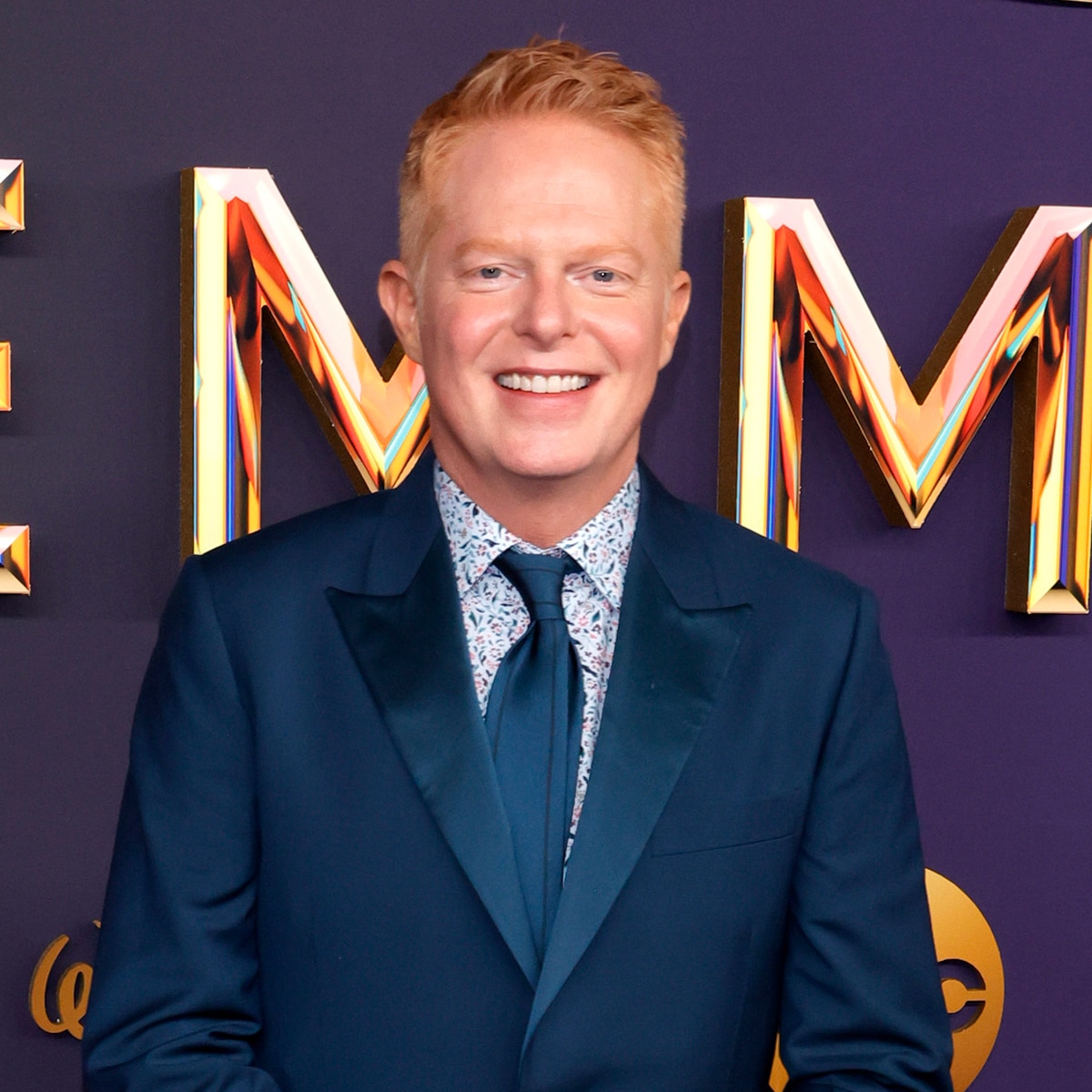
Jesse Tyler Ferguson surprised some fans by quietly rejecting a Modern Family spinoff idea — not because he didn’t love the show or his character, but because he’s developed a simple internal rule to guard his choices as a working actor. His explanation is less about celebrity ego and more about a practical filter that matters to networks, creators and anyone pitching a legacy series revival.
What happened in one minute: the pitch and the polite decline
After Modern Family ended, several spinoff concepts floated around from networks and creatives hoping to extend the brand. Ferguson — who spent the series run playing Mitchell Pritchett — said he was offered a version of a continuation but ultimately turned it down, explaining that he follows a personal motto when making career moves. That choice, and how he framed it, was shared in an interview with E! Online and framed as a deliberate decision rather than a casual pass. [1]
Why Jesse Tyler Ferguson’s rule matters to cast buy-ins for Modern Family
Actors who anchored long-running ensemble comedies carry both creative influence and scheduling constraints. Ferguson’s refusal shows why a single star’s threshold for returning can determine a spinoff’s fate: if core talent won’t commit unless the idea meets specific personal and professional standards, networks can’t rely on franchise recognition alone to sell a new series. For a show as ubiquitous as Modern Family — a cultural touchstone across its decade on air — that kind of actor hesitation signals risk for producers and streamers weighing development dollars. [2]
What most people miss about saying “no” to a franchise idea
It’s easy to read a declined offer as stubbornness or an attempt to preserve legacy. The nuance is more tactical: declining can protect an actor’s brand, prevent artistic dilution of a beloved character, and avoid contract traps that would lock someone into a weaker project. Ferguson framed his decision as following a personal metric — not every revival is worth the time or creative capital — and that mindset protects both the performer and the original property’s reputation. [1]
What the evidence shows: when spinoffs succeed and when they fail
Historically, spinoffs that work either expand the world in a fresh way or reunite original talent under a clear, new premise (think Frasier from Cheers or Better Call Saul from Breaking Bad). Projects that simply rehash familiar beats without a strong narrative purpose tend to fade quickly. Ferguson’s stance aligns with industry data: networks that greenlight spinoffs based primarily on name recognition and nostalgia often see lower lifetime value than those that invest in distinctive creative hooks and strong showrunner vision. That means executive producers need to present a concrete arc and long-term plan to win an actor back. [2]
How showrunners, networks and agents should apply this — practical next steps
- Treat the actor’s “no” as a decision signal, not a roadblock: ask what would change their answer.
- Build a one-page creative brief that sells a unique spine for the spinoff (tone, lead conflicts, episodic vs serialized plan).
- Include business clarity up front: episode count, platform, compensation structure, and how the show will be marketed to legacy and new audiences.
- Offer flexible commitments (limited-series or guest arcs) so talent can protect other projects while testing the concept.
- Use data to justify the choice: audience overlap, streaming viewership of the original series, and international demand. These concrete items often matter more than nostalgia in negotiating buy-ins. [1]
Where this approach breaks down — and when a “no” can turn into a yes
There are edge cases where an initial decline flips: a radically different format (animated spinoff, anthology approach), a major time gap that reframes characters, or a new creative team with a proven hit record can change an actor’s calculus. Likewise, business arrangements like producer credit or backend participation can tilt decisions. But absent a meaningful creative shift or improved deal structure, an actor’s protective rule — like Ferguson’s — is likely to hold. [1]
Quick takeaways
- Ferguson’s refusal was driven by a deliberate personal filter, not a simple rejection of the idea. [1]
- Spinoffs succeed when they offer a fresh narrative reason to exist and secure talent buy-in with clear creative and business terms. [2]
- For showrunners and networks: solve for story and flexibility before you sell nostalgia to the actors or the audience.
Understanding why a star says no is useful for anyone pitching legacy properties: it highlights the need for a tighter creative pitch and smarter deal-making in today’s crowded streaming landscape.
Sources & further reading
Primary source: eonline.com/news/1429345/why-modern-familys-jesse-tyler-ferguson-turned-...
Written by
Luna Vega
Entertainment reporter covering celebrity, TV, and pop-culture developments.