After Watching Netflix’s Reality Check, Jay Manuel Names His Biggest ANTM Regret — and What It Means for Reality TV
After watching Netflix's Reality Check, Jay Manuel says his biggest ANTM regret was not intervening more on set — and outlines how reality TV can do better.
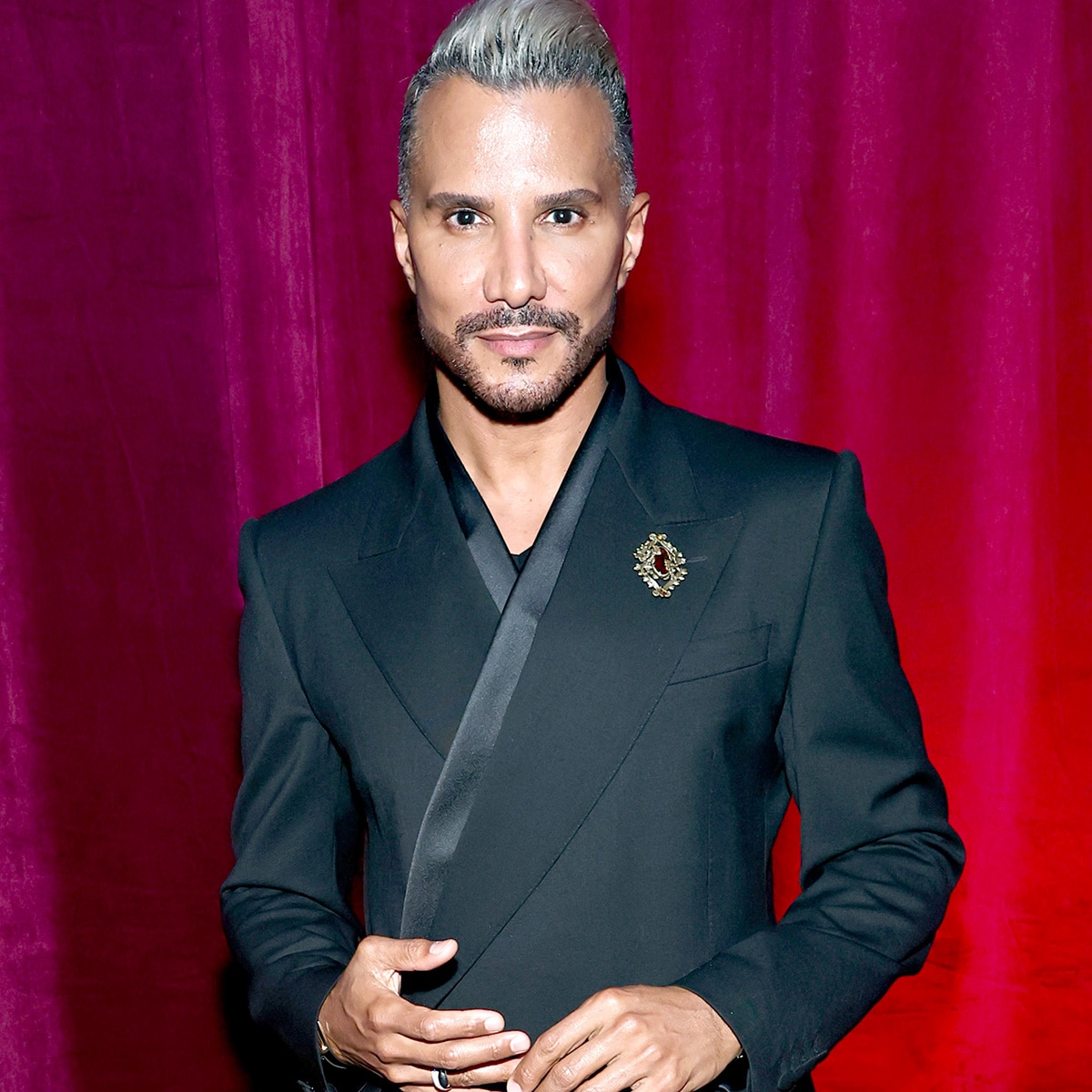
Jay Manuel watched footage from a show that once made him a visual icon and came away unsettled. The former creative director of America’s Next Top Model says the recent Netflix docuseries Reality Check prompted him to rethink choices he made behind the scenes — and to admit a regret about how he handled life at the top. His reflection is a small arrival in a larger reckoning over responsibility in reality TV.
Why one Netflix doc made Jay Manuel rethink ANTM
The Netflix series Reality Check revisits the world of competition-based reality TV and how it shaped participants and staff. For Manuel, viewing the documentary was less a nostalgia trip than a mirror: he said watching the show’s aftermath forced him to consider how production decisions and on-set dynamics affected contestants and colleagues. That realization, he explained, is what motivated him to call out his biggest misstep during his ANTM years [1].
What Jay Manuel says he really regrets about his time on ANTM
Manuel distilled his regret to one idea: he wished he had used his platform differently. Rather than defend the show’s intent, he said he wished he had intervened more when moments crossed lines or when contestants struggled emotionally. He framed this not as repudiating the series entirely but as acknowledging missed opportunities to protect people who were vulnerable during high-pressure shoots and eliminations [1].
What most viewers miss about a creative director’s role on a show like ANTM
It’s easy for audiences to see a creative director as a glamorous, image-making figure — someone who sculpts photos and moments. But Manuel’s reaction underscores a less visible side: people in that position often balance production goals, network expectations, and personal ethics. The job can normalize practices that later look harsh in a different light, and that normalization is exactly what retrospective documentaries expose. That dynamic helps explain why figures like Manuel are re-evaluating past choices now [1].
How this admission changes the conversation about legacy and accountability
A high-profile admission from a former insider shifts the debate from finger-pointing to systems assessment. Manuel’s regret reframes ANTM’s legacy: it’s no longer only about iconic makeovers or memorable photo shoots, but about whether leadership used influence to mitigate harm. His comments give other alumni — and current showrunners — a model for taking responsibility without erasing the cultural impact of the format [1].
What producers and on-screen talent should do next (practical steps)
Manuel’s reflection suggests several concrete steps for contemporary reality-TV creators. First, implement clearer mental-health protocols for contestants during casting, filming, and post-filming. Second, empower on-set staff to pause or reframe moments that could be exploitative, and document those decisions. Third, offer alumni support — counseling and public-platform guidance — when a show is framed in new light. These aren’t platitudes: they’re operational changes that can be written into contracts and production checklists to prevent repeating past harms [2].
Quick takeaways
- A high-profile rewatch of ANTM-era footage prompted Jay Manuel to publicly own a regret about not intervening more on set. [1]
- Creative leadership in reality TV carries unseen influence; retrospectives make those consequences visible. [1]
- Practical fixes include stronger mental-health safeguards, empowered staff, and formal alumni support systems. [2]
Manuel’s comments don’t rewrite ANTM’s influence on fashion and TV, but they do add a necessary footnote: influence without intervention can carry a cost. As more veterans watch their own work through the ledger of later scrutiny, the entertainment industry has a chance to convert regret into policy changes that protect people working in high-pressure formats.
Sources & further reading
Primary source: eonline.com/news/1428940/jay-manuel-on-americas-next-top-model-regrets
Written by
Luna Vega
Entertainment reporter covering celebrity, TV, and pop-culture developments.