911 Call Revealed in the Tragic Death of Martin Short’s Daughter, Katherine
A released 911 call led police to Katherine Short's Hollywood Hills home; authorities say her death was an apparent suicide. What the records mean and why pr...
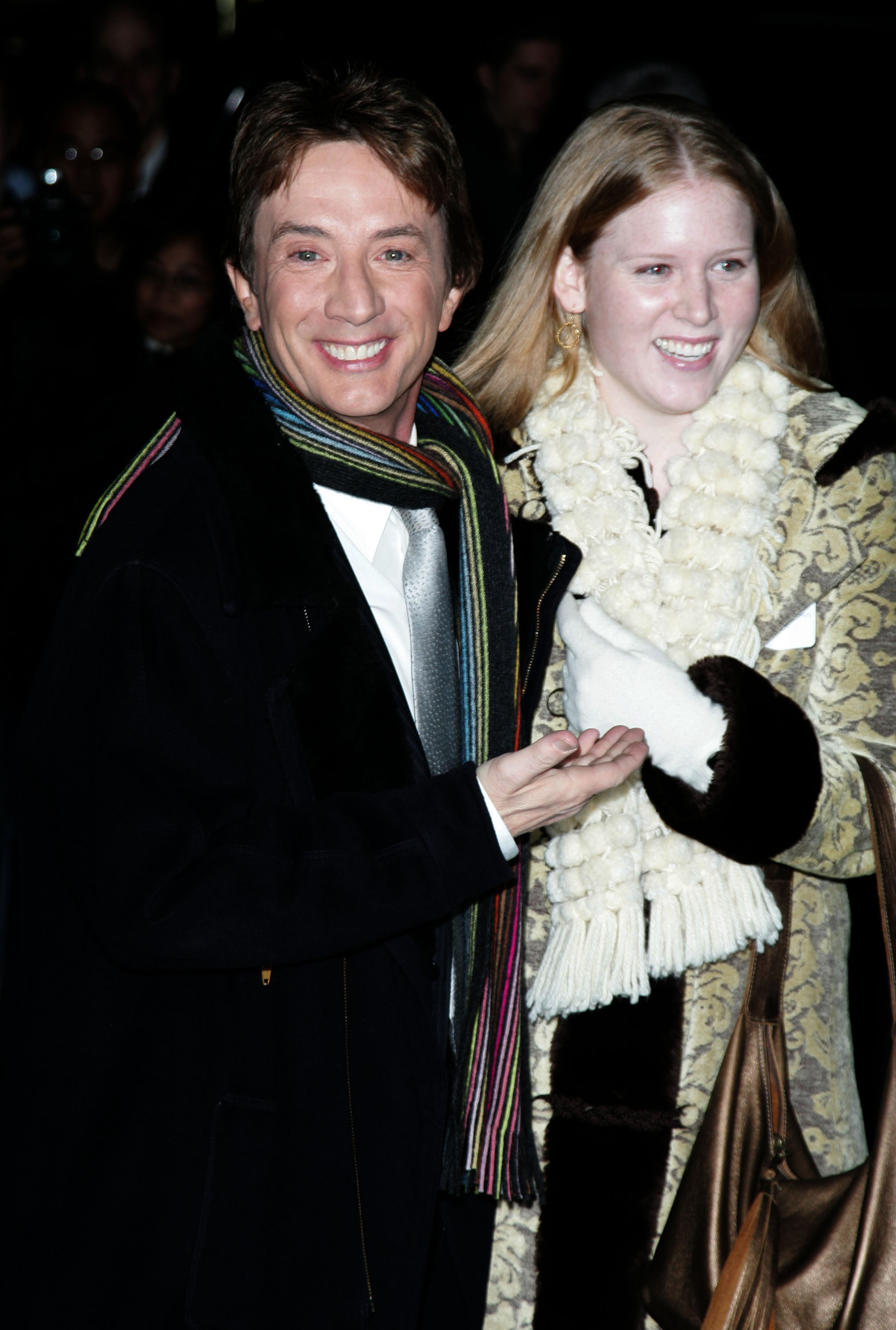
A frantic 911 call has put fresh, wrenching detail into the public record after Katherine Short — daughter of comedian Martin Short — was found dead in her Hollywood Hills home on Feb. 23. The newly released call and investigation notes paint a narrow, private timeline that matters for how the media and public respond to celebrity losses.
The 911 call: what we now know about Katherine Short’s death
Law-enforcement records released to the press show that emergency dispatchers received a call that led officers to Katherine Short’s residence in the Hollywood Hills, where she was later pronounced dead of an apparent suicide. The reported timing and response are included in the public summary of the case, and authorities continue to treat the death as non-suspicious while an inquiry is completed [1].
One-minute summary: how the discovery unfolded
Short version: first responders were alerted by a call on Feb. 23, went to the home, and located Katherine Short deceased at the scene. Medical examiners later listed the death as an apparent suicide and investigators have not indicated any foul play; the family has asked for privacy as they process the loss [1].
What most people miss when a 911 call surfaces about a celebrity
A 911 recording often becomes a lightning rod for speculation, but the clip itself is only one piece of evidence — and not necessarily the clearest. Call audio can capture panic, confusion, and limited facts; it rarely provides a full account of what led to a death. For celebrities, the audio becomes a proxy for the human story, and that shift can distort public perception and obstruct the family’s grieving process.
Beyond that, timing is crucial: a call documents the moment help was sought, not the full arc of a person’s mental health or the private circumstances leading up to it. Treating the recording as definitive can create false narratives and feed intrusive reporting that complicates an investigation and harms loved ones.
The official details investigators have shared so far
Public statements from responding agencies confirm the basic operational facts: a call to 911, a police response to a Hollywood Hills address, and a death the coroner preliminarily ruled an apparent suicide. Investigators have described the scene in procedural terms and have emphasized there were no immediate signs of a crime, which is why the case is being handled as a non-criminal death pending final autopsy results [1].
At this stage, authorities typically wait for toxicology and forensic reports to reach final conclusions, and they often withhold detailed narrative until those results are in — a restraint that clashes with the media hunger for instant answers.
How journalists, fans and public figures should respond in real time
If you cover or comment on this story, prioritize facts over sensation. Report confirmed statements from law enforcement and the family; avoid amplifying unverified claims or conjecture about motive. For fans and public figures, offering condolence and respecting the family’s request for privacy are the clearest practical steps that prevent additional harm.
Newsrooms can also model better behavior by omitting graphic or speculative details from headlines and push notifications. For studios, networks, and publicists tied to celebrities, establishing a simple communications protocol — brief statement, request for privacy, and a promise to update responsibly — helps reduce the pressure that fuels intrusive coverage.
Key takeaways
- Authorities say a 911 call brought responders to Katherine Short’s Hollywood Hills home; officials describe the death as an apparent suicide pending final tests [1].
- A 911 call documents an emergency moment but rarely explains broader context or causation; treating it as the whole story risks distortion.
- Responsible responses from media and public figures include sticking to confirmed facts, honoring the family’s privacy, and avoiding speculation.
This episode is a grim reminder: public figures’ tragedies become public records, but that doesn’t mean the public benefits from every intimate detail. The clearest, least harmful path is patience — let investigators finish their work, let families grieve, and let reporting focus on verified facts rather than the spectacle of a crisis [1].
Sources & further reading
Primary source: pagesix.com/2026/02/24/celebrity-news/911-call-in-tragic-death-of-martin...
Written by
Luna Vega
Entertainment reporter covering celebrity, TV, and pop-culture developments.
Related Articles
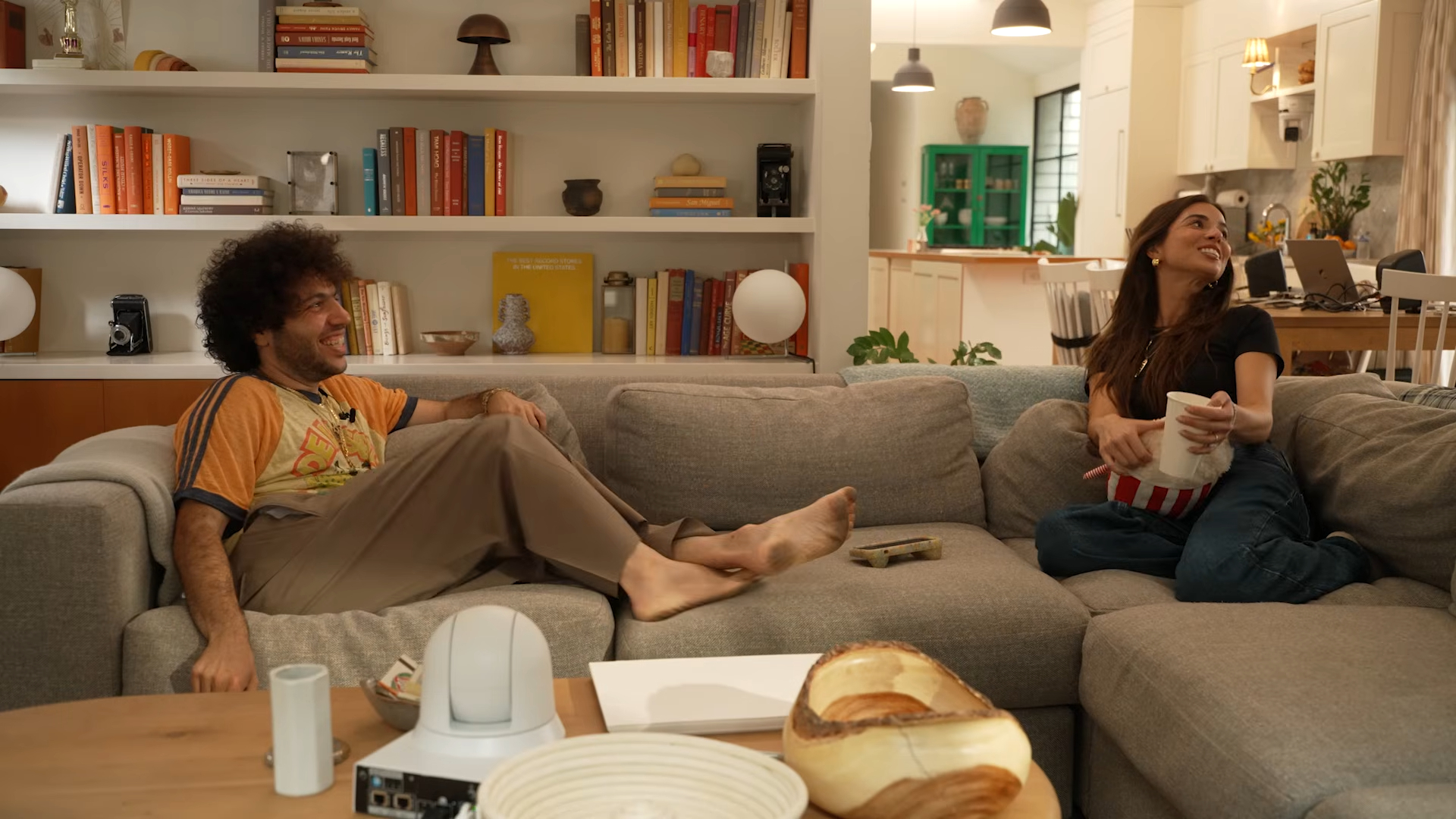
After Benny Blanco’s Podcast Overshare—Dirty Feet and a Fart—Some Selena Gomez Fans Cry “Divorce”
Benny Blanco’s dirty-feet, on-mic fart podcast bit spurred fans to tell Selena Gomez to “divorce” him—even though they aren’t married. What happened, and why...

Mindy Kaling’s Rare Photos of 2-Year-Old Anne Say More Than a Birthday Post
Mindy Kaling marked daughter Anne’s 2nd birthday with rare photos—and a reminder of her strict privacy line. Why the small glimpse landed big with fans.

Lily Allen Turns Petty Into Performance: The ‘Receipts Dress’ That Launched Her West End Girl Tour
Lily Allen launches her West End Girl tour in a “receipts dress” and performs an alleged David Harbour track—why the stunt works, what it signals, and how to...